Why Your Phone Isn't Enough in the Mountains
You are on a day hike. Your phone had signal at the start. An hour in, it shows nothing. Your hiking partner is somewhere ahead. You want to send a message. You cannot.
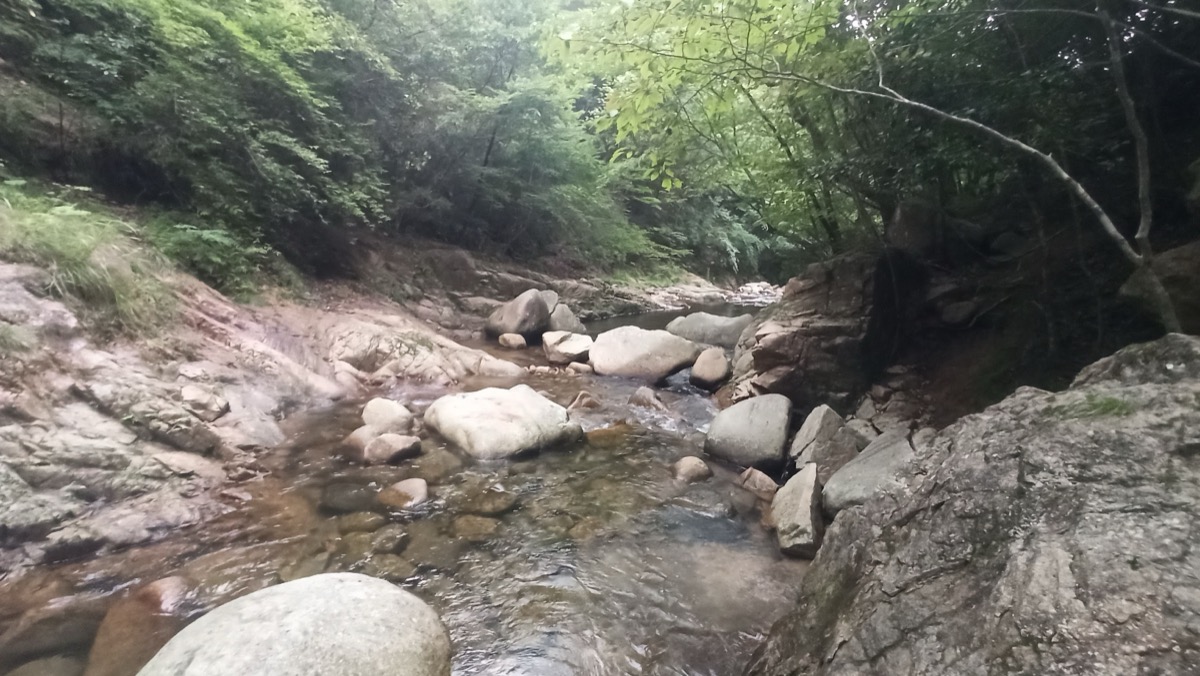
Anyone who hikes regularly in Japan's mountains knows this. Coverage comes and goes depending on terrain and tree cover. Some sections have nothing at all.
Where phones fail
Mobile networks are built for population density. Cell towers point at towns, roads, and train stations. Mountain trails and dense forest are not priorities. Japan's coverage map looks good until you zoom into the places where people actually hike.
Coverage tends to exist at the start and at popular summit viewpoints. Between those points, where you spend most of your day, it is unreliable.
What a backup layer looks like
A Meshtastic device does not fix your phone's coverage problem. It provides a different path. Instead of relying on a cell tower, you communicate directly with the other devices in your group. Messages hop from device to device until they reach the right person.
You also get GPS position sharing. Open the app and you see where your group members are on a map, updated automatically. When someone does not check in, you know their last known position.
What to carry
A Meshtastic device like the SenseCAP T1000-E is small, lightweight, and lasts a full day on one charge. Because it has its own GPS and battery, it does not drain your phone. Pair it with the app before you leave. Agree with your group on a check-in interval.
It does not replace your phone, your map, or your emergency plan. It adds a communication layer for the stretches where your phone cannot help.